MeTop.ai

R2S2R Embodied AI Solution

Start in the real world.
Train in simulation, then return to reality.

Use a Real-to-Sim-to-Real (R2S2R) data feedback loop to turn real-world scenes into trustworthy 3D environments for training and evaluation. Deploy validated tasks back to the physical site, then use operational data to continually refine the environments, models and tasks.
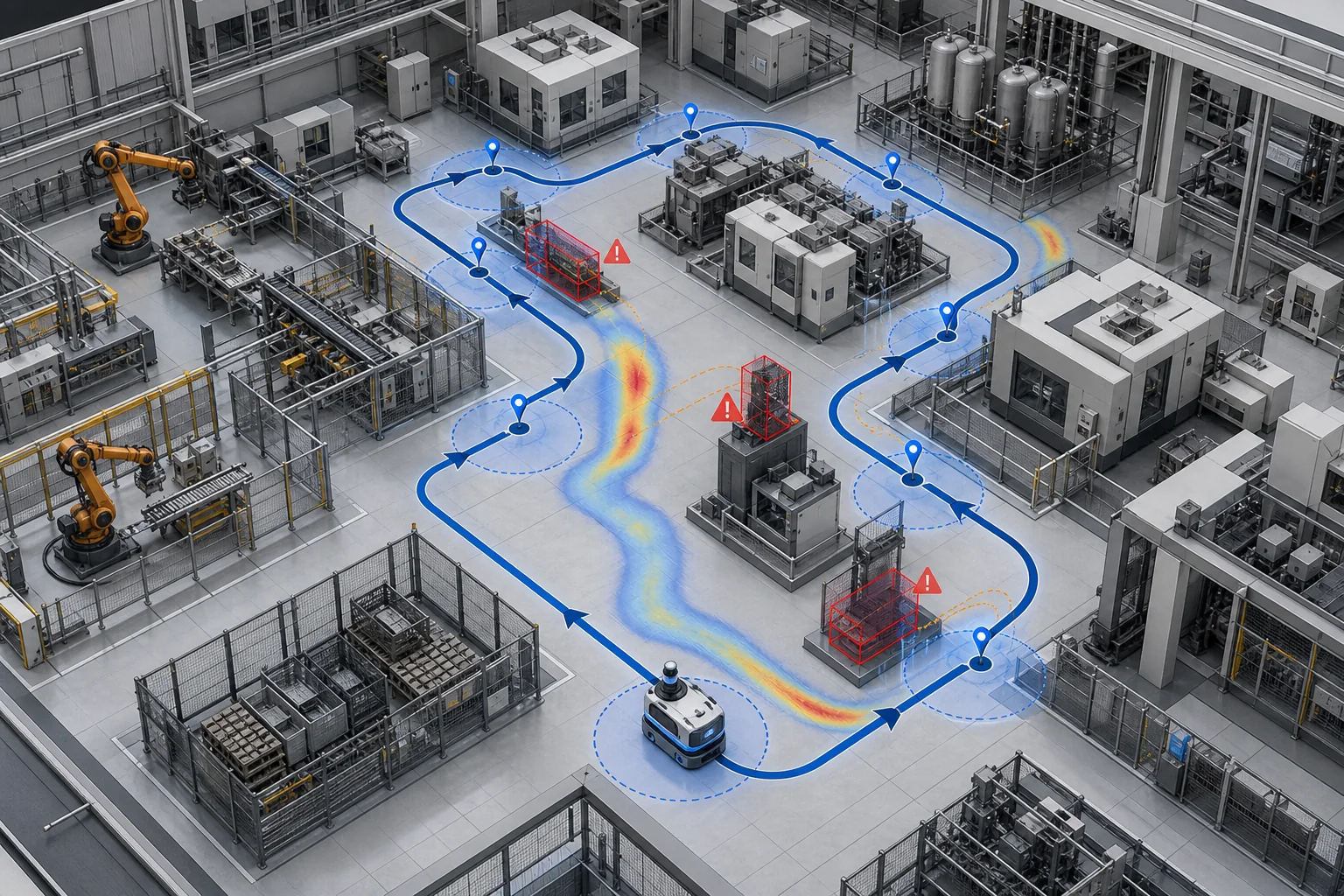
R2S2R feedback loop for a real factory and robot tasks

R2S2R / REAL-TO-SIM-TO-REAL

Real | Reality capture

Capture photos, video, drone imagery and point clouds to reconstruct trustworthy 3D environments.

Sim|Training and Validation

Configure objects, routes, events and tasks in digital environments, and record training and evaluation results.

Real | Deployment and feedback

Connect physical robots and on-site systems so operational data informs each round of improvement.

View R2S2R Demo

View a demonstration of real campus inspection tasks from scenario configuration to operation verification.

Key points for implementation

Putting embodied AI into practice requires an R2S2R data feedback loop

A one-off reconstruction or offline training session cannot account for every real-world change. MeTop.ai uses a shared spatial coordinate system to connect environments, tasks, evaluation, deployment and operational feedback.

01

Real scenes are difficult to reproduce

Dangerous, complex and long-tail scenarios are difficult to collect and verify repeatedly.

02

The training environment is separated from the on-site space

Maps, objects, routes, events and tasks lack unified coordinates and semantic associations.

03

Operational results are difficult to feed back consistently

Field test results are not retained as data for the next round of training, evaluation and task optimization.

Core R2S2R capabilities

From the real world to simulation training and back

Start with trustworthy 3D environments built through reality capture, then connect environments, objects, tasks, evaluation, deployment and operational feedback.
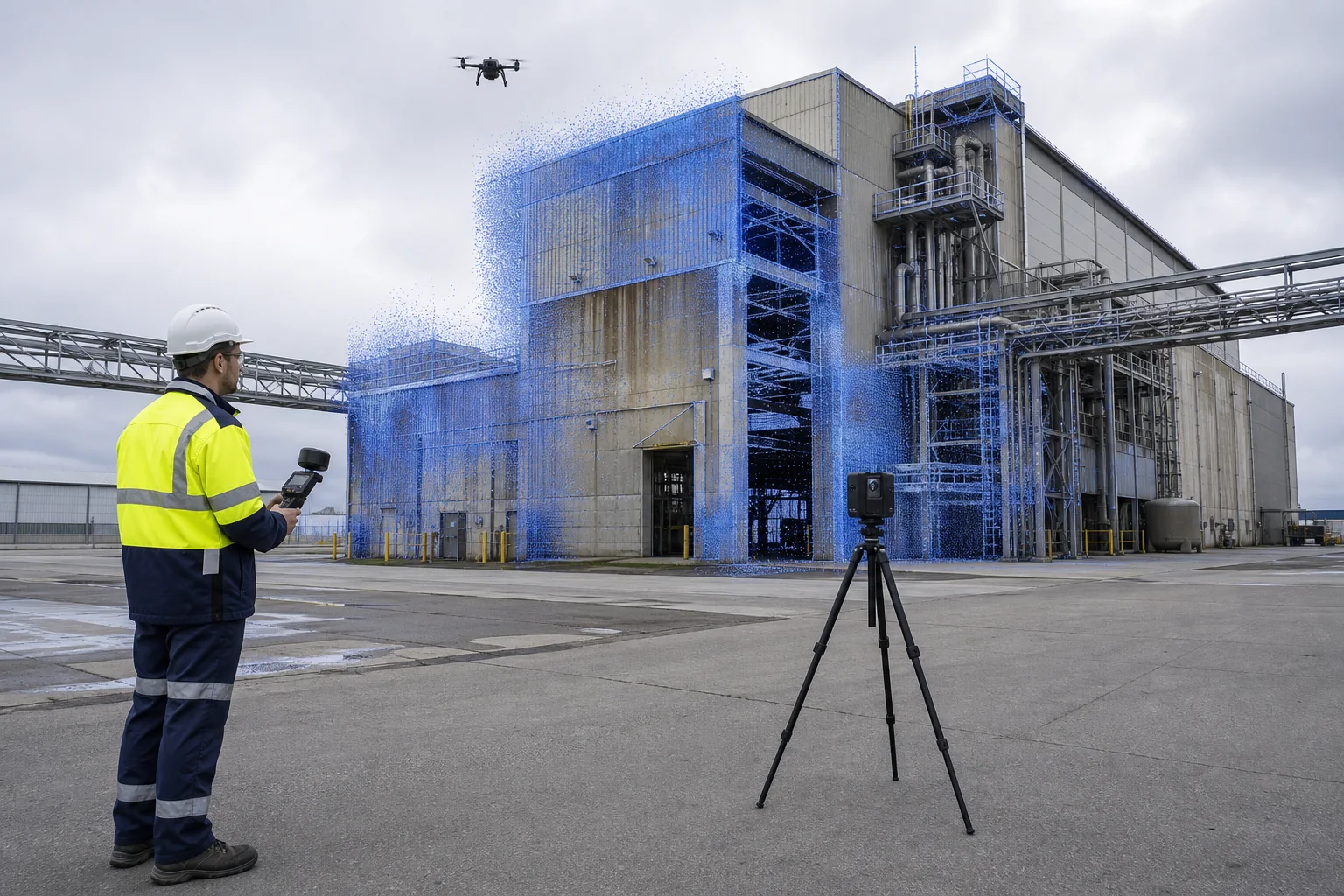
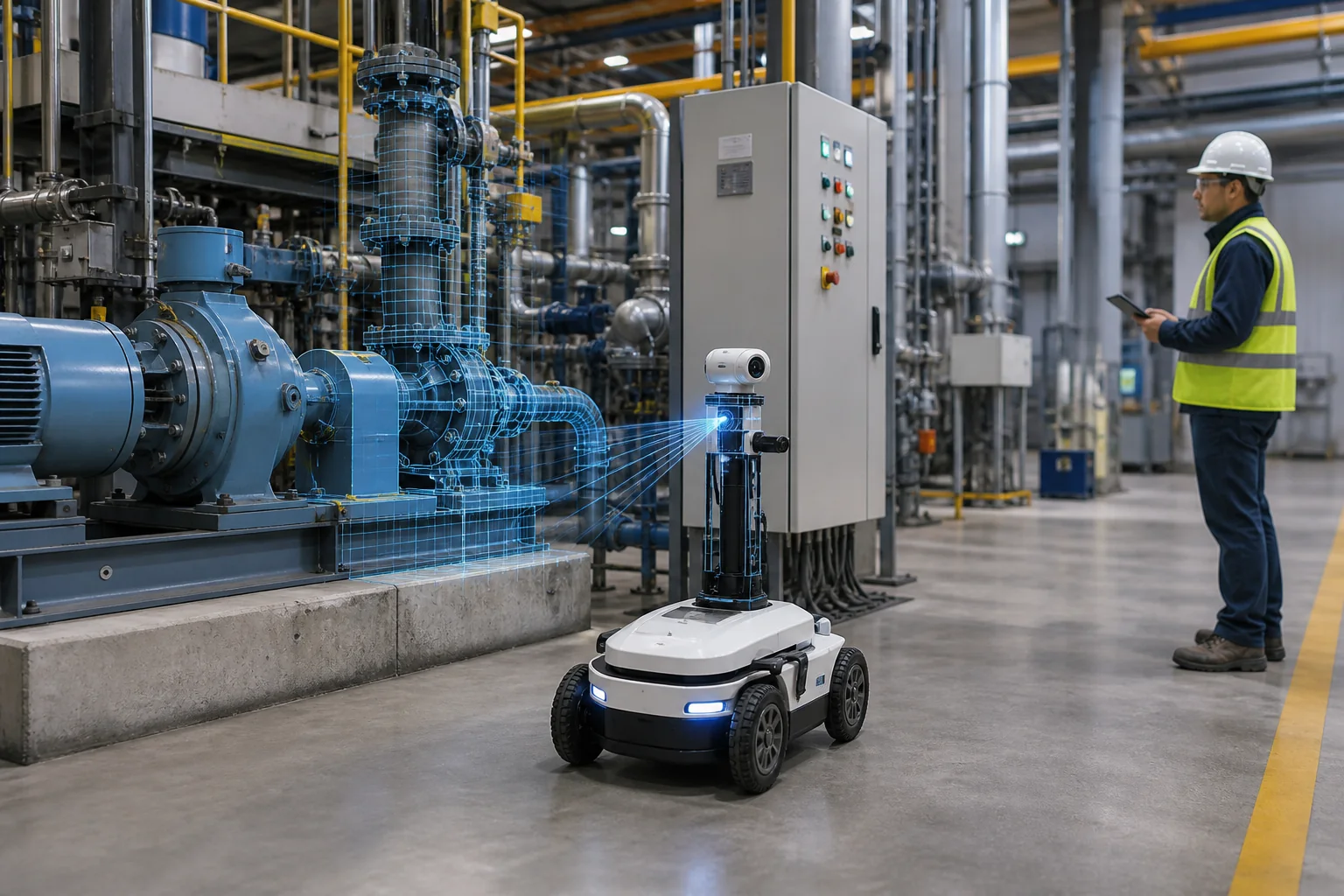
Real industrial site multi-equipment space collection

Transform the real environment into a computable trustworthy space

rebuild

Real: Reality capture and reconstruction

Use photos, video, LiDAR and drone data to build trustworthy 3D environments that can be explored, support localization and can be updated over time.
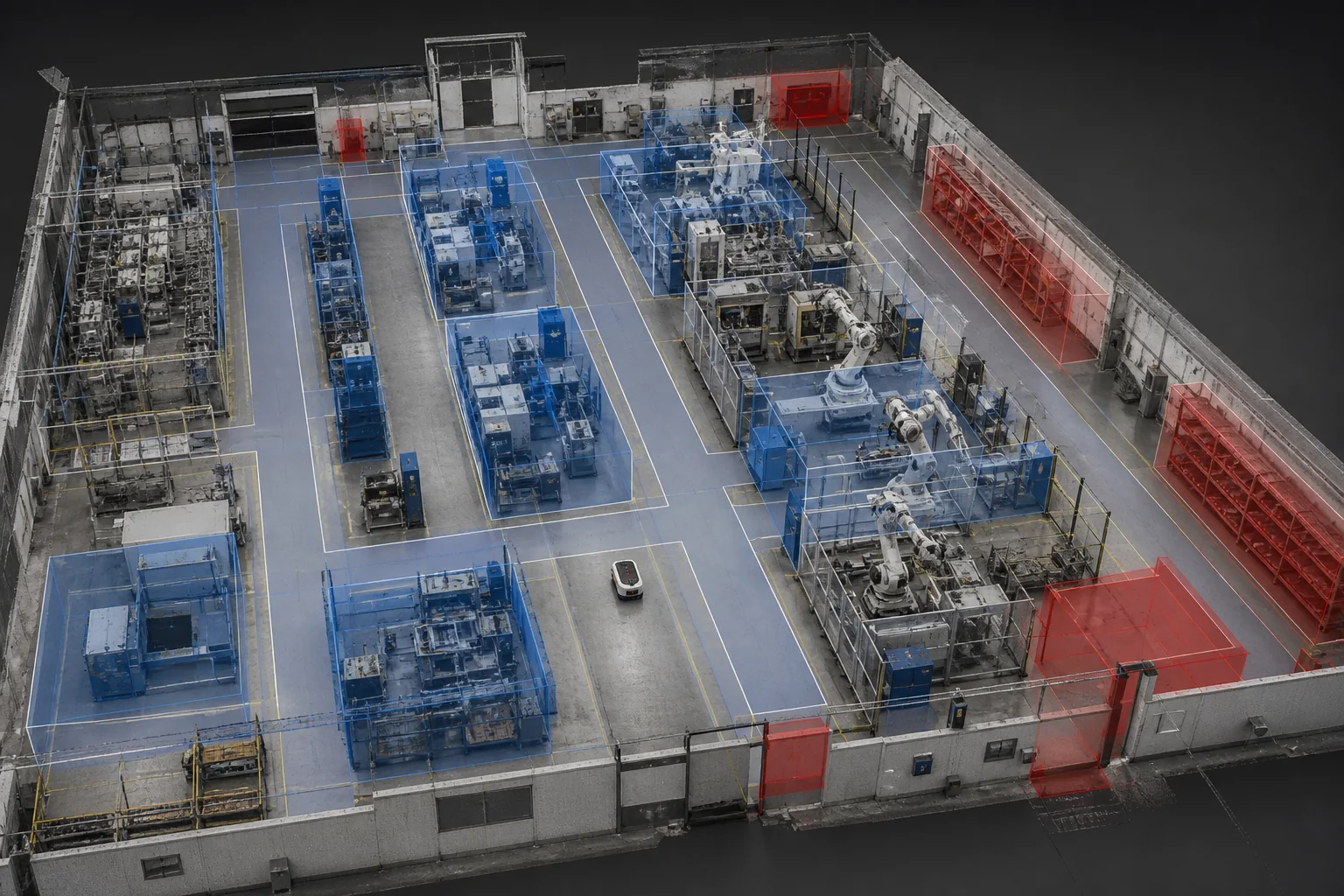
Spatial semantics and object management of factory digital environment

Make objects and relationships in the scene understandable by machines

Semantics

Sim: spatial semantics and object management

Configure areas, pathways, equipment, obstacles, task points, and risk boundaries to provide environmental context for the robot.
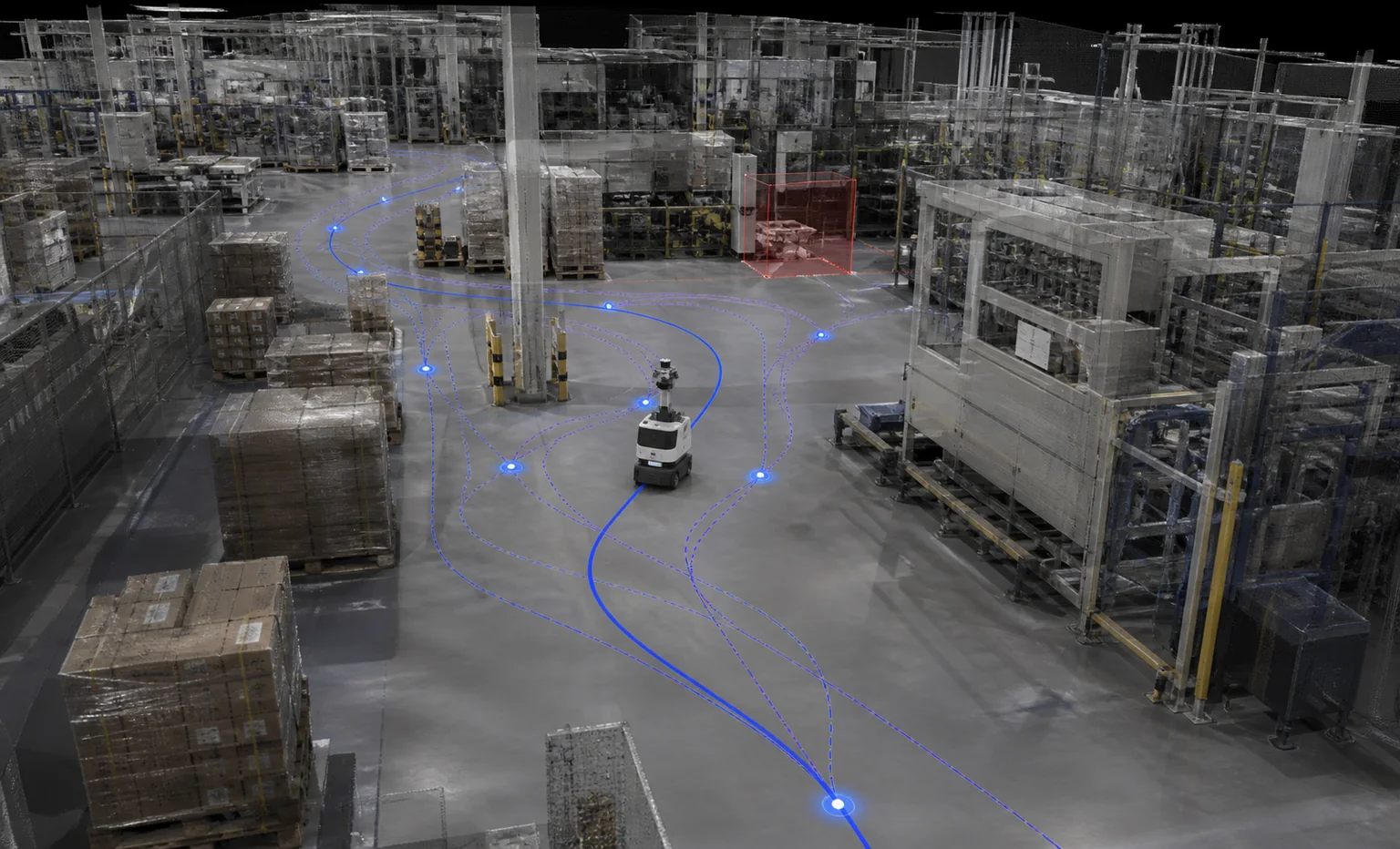
Robot mission route training and verification

Configure and verify critical tasks before entering the field

training

Sim: task configuration and training verification

Configure tasks around inspection routes, target objects, abnormal events and emergency procedures, and support review of training processes and results.
Robot mission trajectory test evaluation

Record training and task performance with unified metrics

Evaluation

Sim: Testing, evaluation and reporting

Record task status, events, trajectories and results to form traceable testing, training and operation reports.
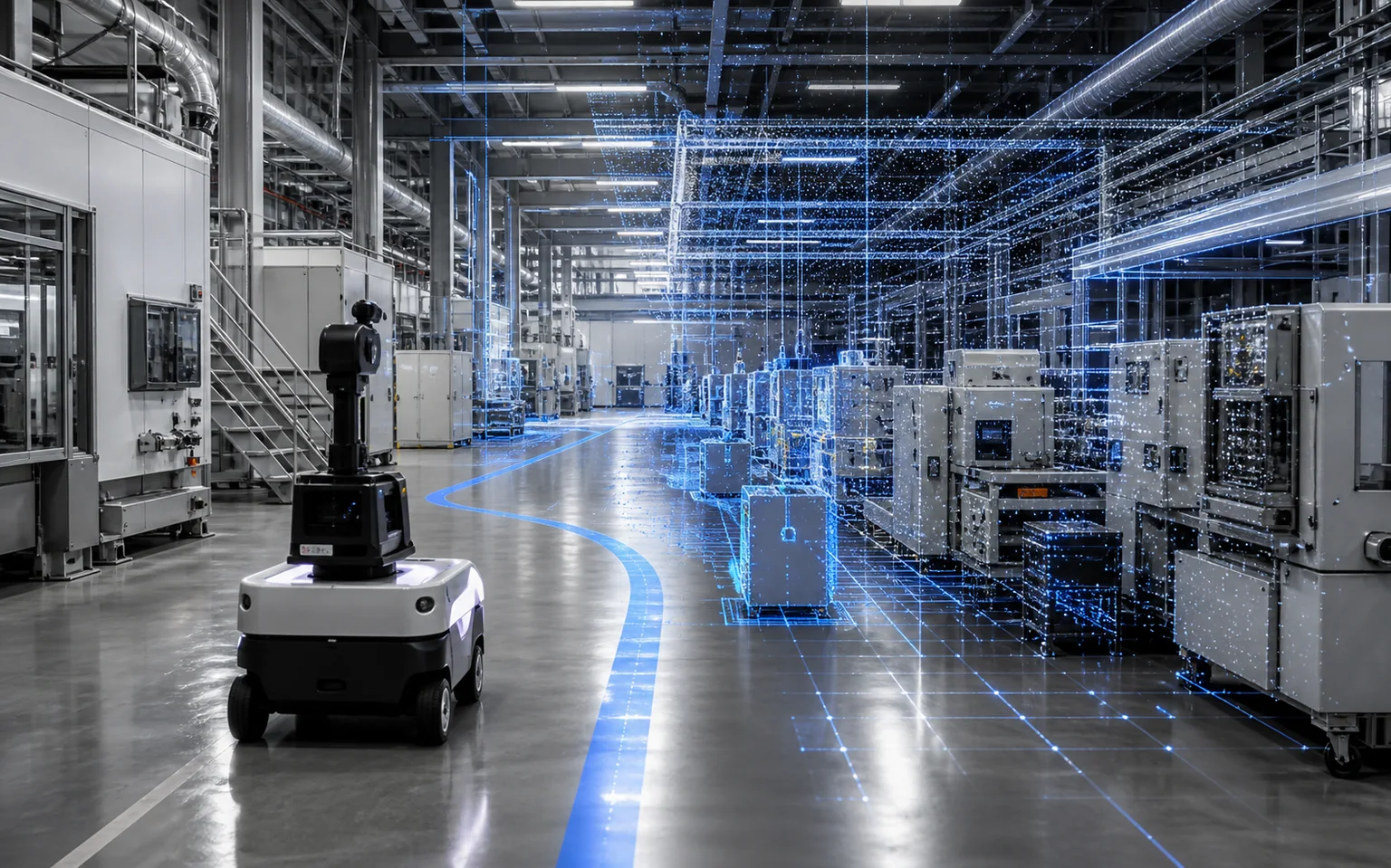
Robot on-site deployment and operation data return

Let the on-site running results enter the next round of optimization

closed loop

Real: On-site deployment and data feedback

Connect robots, tasks and on-site events, then feed operational results back into spatial, training and evaluation datasets.

R2S2R implementation process

From reality capture to deployment and feedback

01

Real | Capture and spatial reconstruction

Collect real environment data and complete 3D reconstruction, coordinate alignment and scene release.

02

Sim|Semantics, tasks and training

Define objects, areas, routes, events and task rules, and conduct training, testing and evaluation.

03

Real | Deployment, operation and feedback

Integrate robot hardware or algorithms, then feed task records, on-site events and operational results into the next round of improvement.

Delivery content

What is included in the R2S2R embodied AI spatial solution?

The specific delivery scope is confirmed based on the scene scale, robot type, mission objectives, data conditions and deployment method.

01

Real scene collection and data specification

02

Trustworthy 3D environments and a semantic layer

03

Object, route, task and event configuration

04

Test evaluation and operation report

05

Interface integration and deployment documentation

Typical application scenarios

Start with a real space and a task

First complete the scene reconstruction and task configuration, and then gradually connect the robot body, algorithm and on-site system.
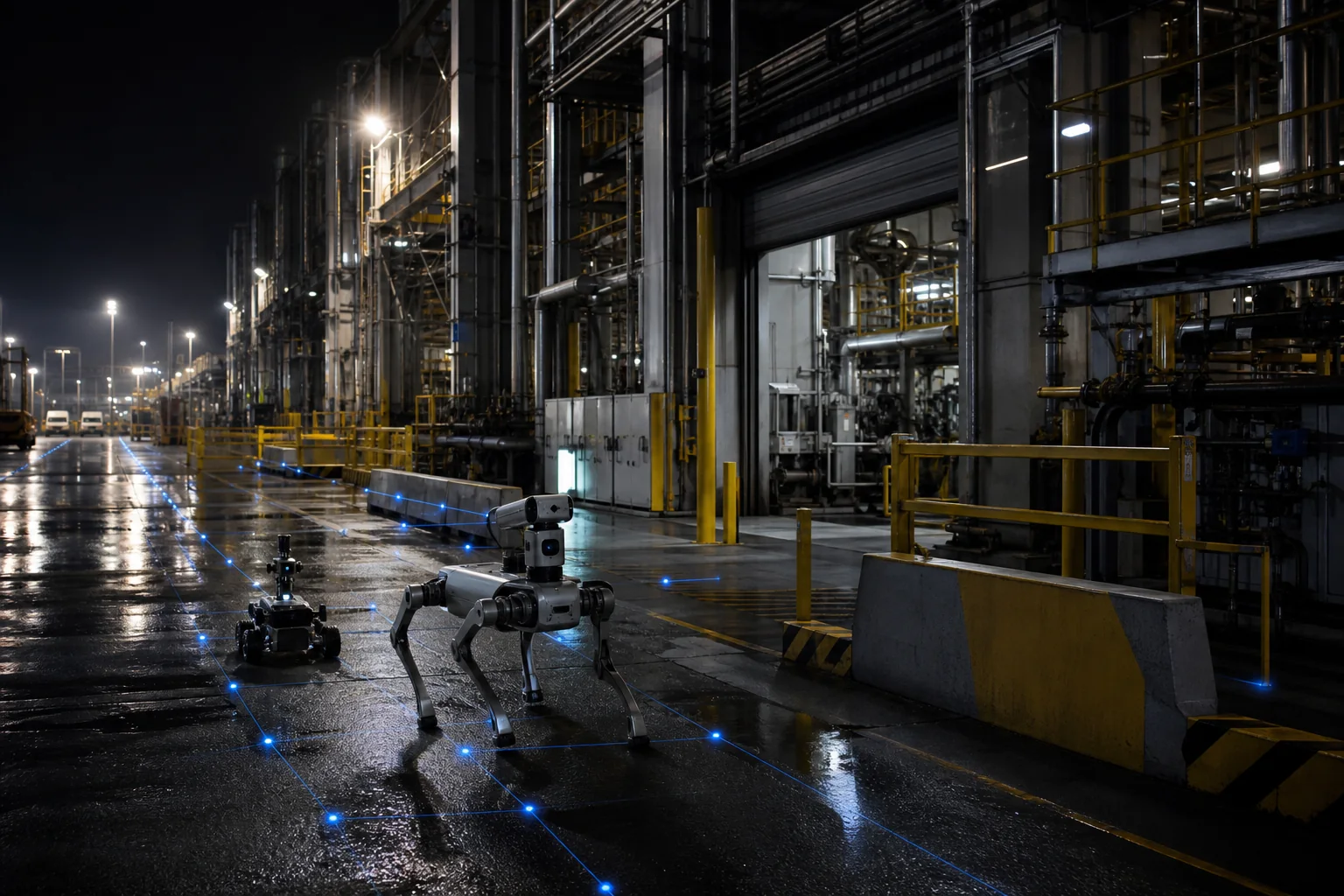
Autonomous inspection of factories and parks by robots

Application scenarios

Campus and factory inspections

For night inspections, equipment inspections, safety incident identification and task closed loops.
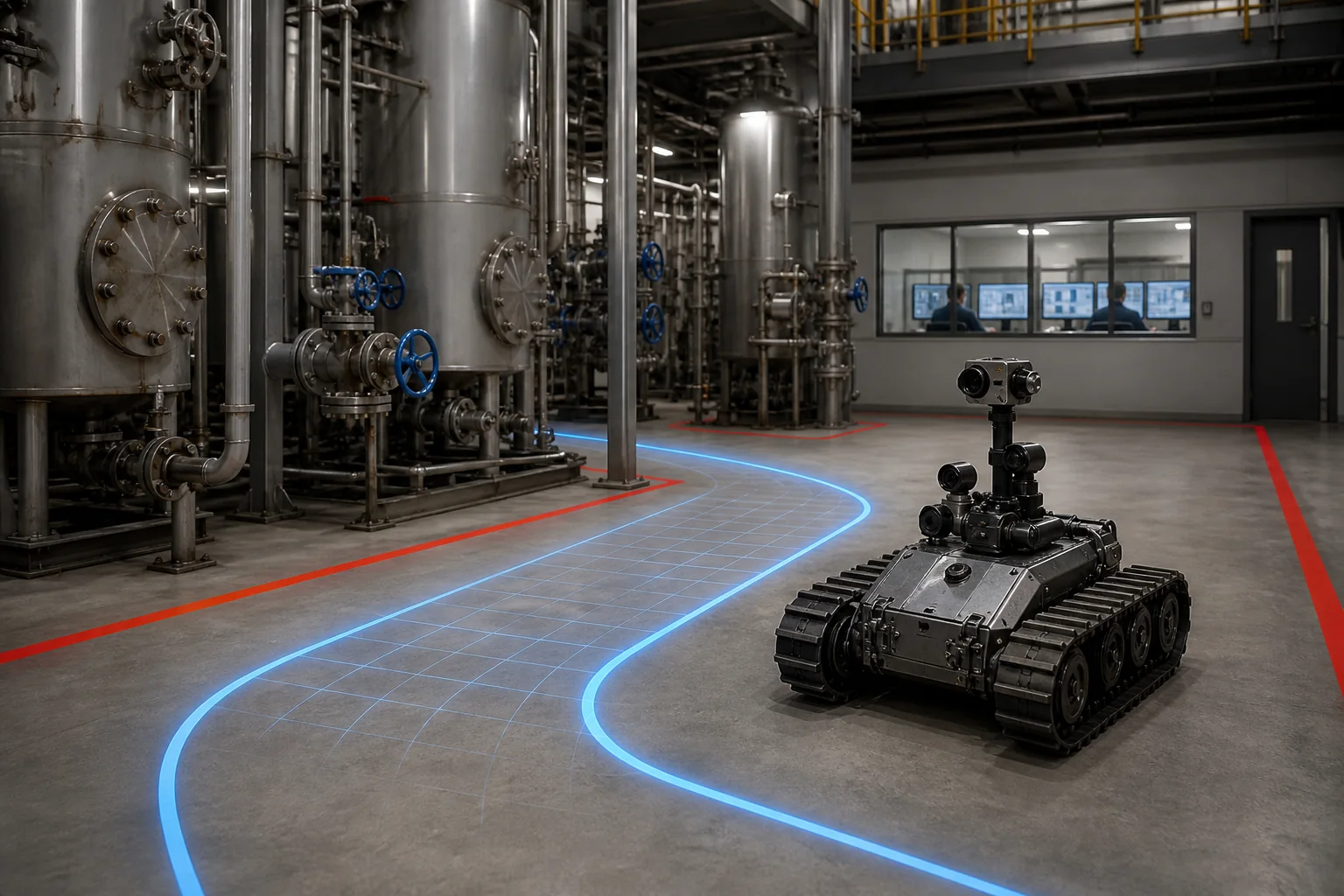
Unmanned inspection of high-risk industrial areas

Application scenarios

High-risk environment rehearsal

Validate routes, tasks and incident response procedures before entering chemical facilities, mines or confined spaces.
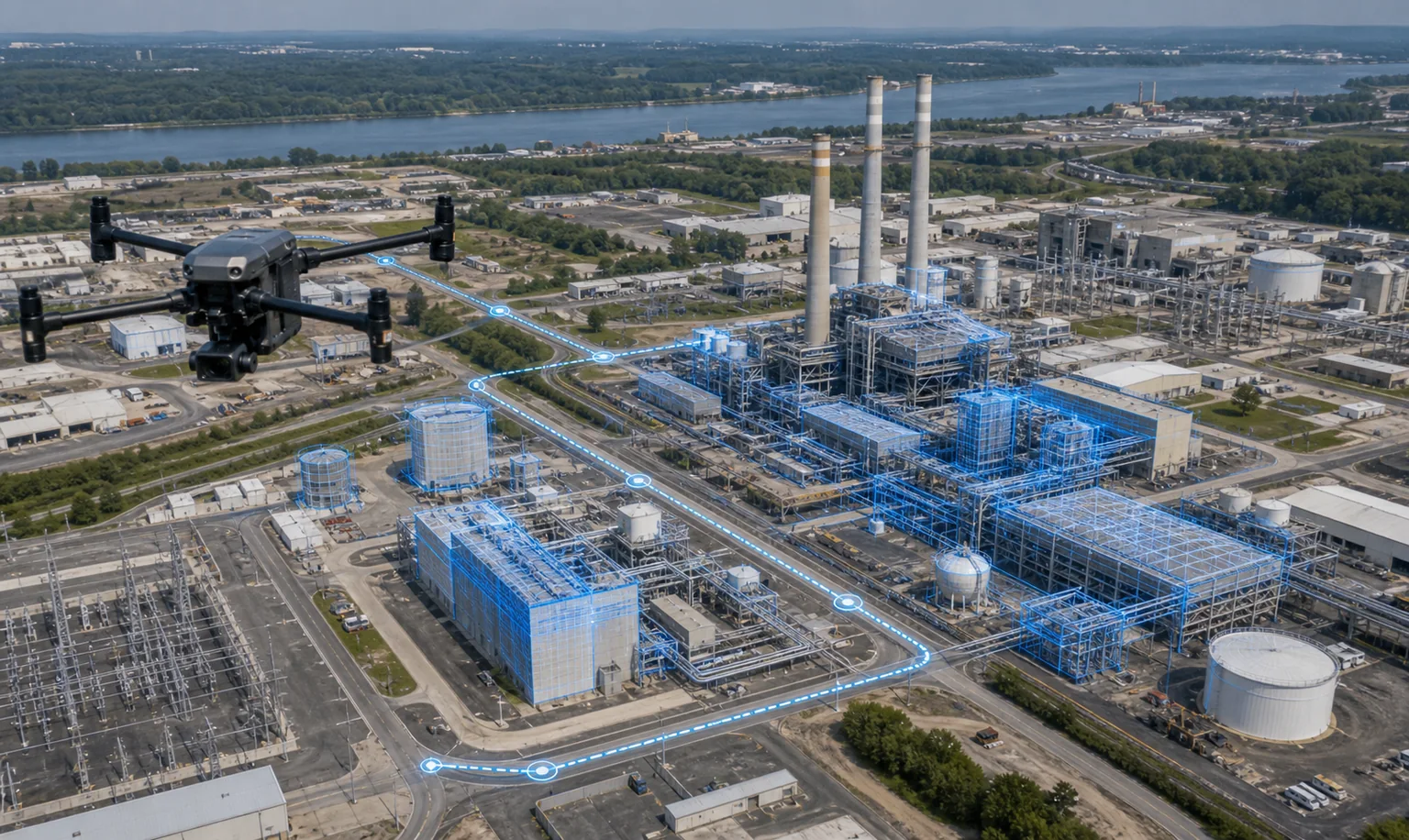
Low-altitude UAV autonomous inspection of industrial facilities

Application scenarios

Low-altitude and unmanned operations

Support mission verification of drones, robot dogs and mobile robots in complex spaces.

Next step

Use R2S2R to connect real space, training verification and field operation

Tell us the robot type, target scenario and mission requirements, and we will provide real scene collection, digital environment construction, mission verification and on-site access solutions.