Bring AI-powered 3D reconstruction into enterprise systems
Use MeTop.ai Engine to integrate source uploads, reconstruction jobs, status queries, result callbacks and asset management into your enterprise systems, with processing workflows that can be customized for each project.
Use the SDK and API to bring 3D reconstruction, task tracking, asset management and online viewing into enterprise applications.
API
APIs for each stage of the workflow
Uploading, creating tasks, querying status, managing results, setting permissions and receiving callbacks can all be called individually.
JOB
Automated task orchestration
The system is responsible for queuing, reconstruction, inspection and result notification, and the business system only needs to track the task status.
MOD
Call only the capabilities you need
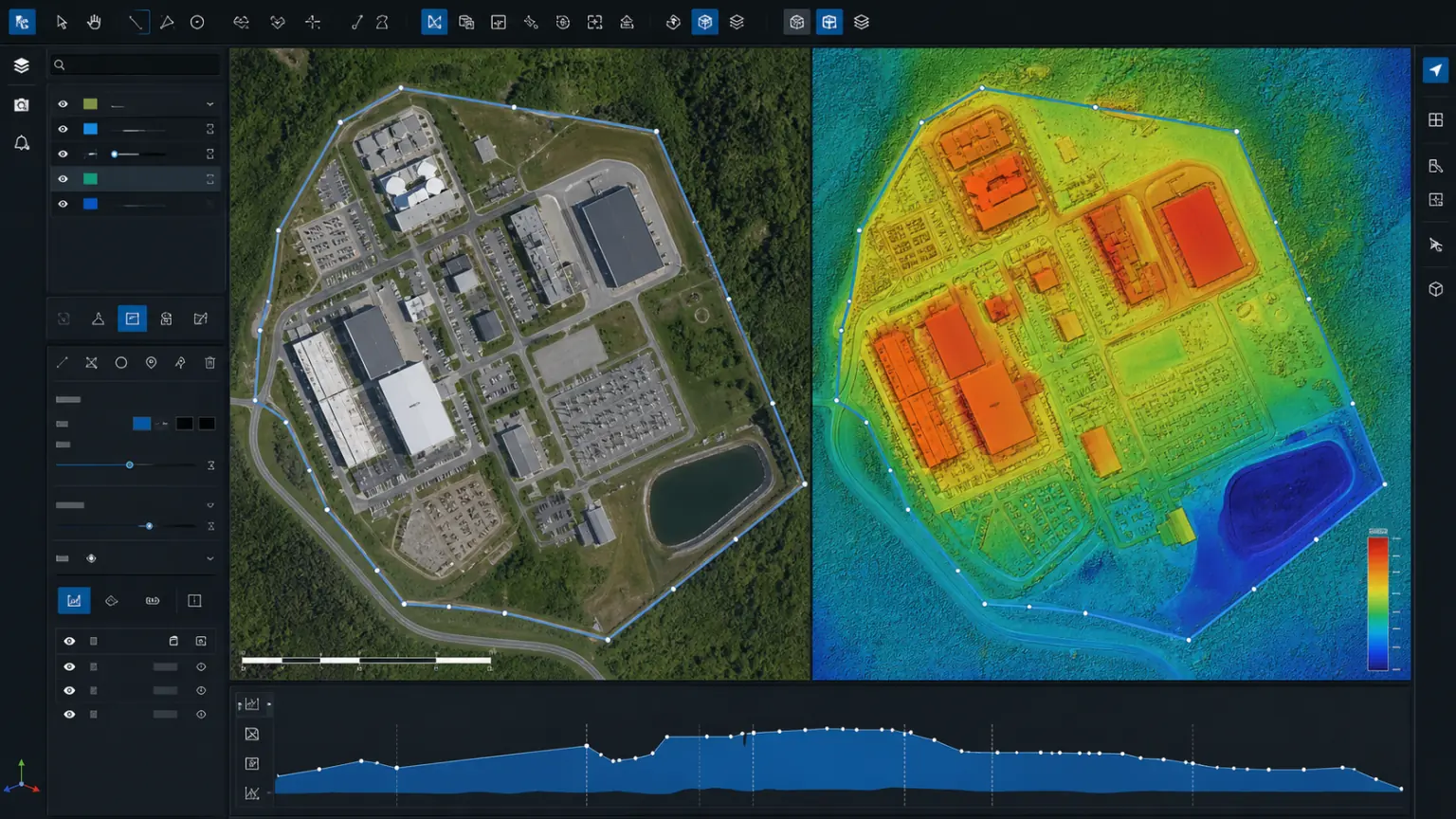
Call modules for image-based reconstruction, point-cloud fusion, mesh generation, 3D Gaussian Splatting, DOM/DSM generation and asset optimization.
SDK
Choose the modules you need
The development team can select modules according to the business, and can also connect to existing collection equipment and delivery processes.
EXT
Combine the access methods that fit your workflow
Support API, SDK, webhooks and business-system integration.
DOC
Documentation and integration support
Interface descriptions, sample codes, and docking specifications will be provided along with the trial.
Command line batch processing and automation integration
Multiple modules
Imagery / Point clouds / 3D Gaussian Splatting / DOM / DSM
Custom projects
Evaluate by scenario, data scale and delivery requirements
System architecture
How an enterprise system calls 3D reconstruction
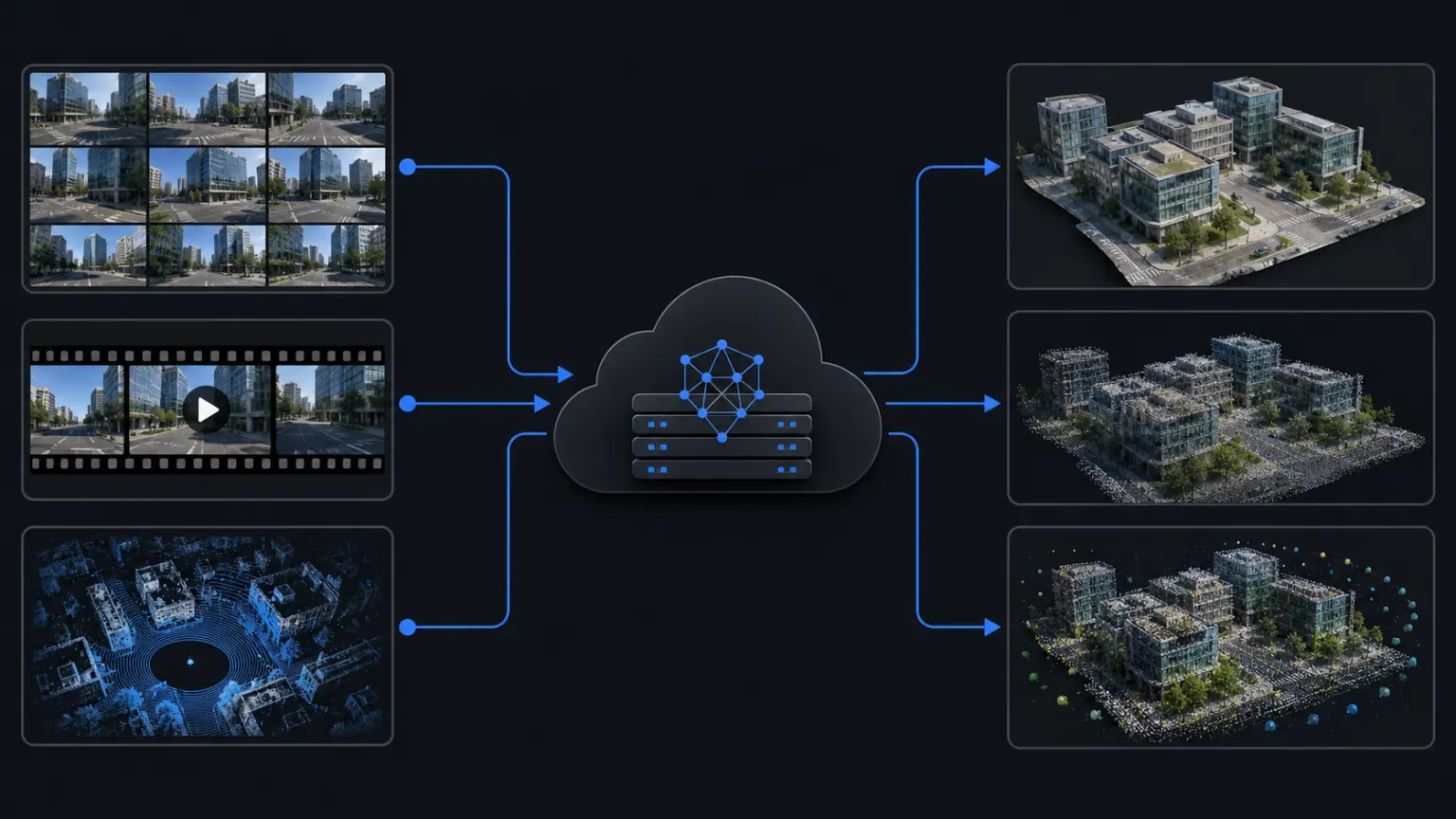
Enterprise systems can use spatial engines to submit materials and tasks, query processing status, and have webhooks return results. Interface capabilities can be combined according to call scale and business process.
business system
App / Web / ERP / Command Platform
The existing enterprise system submits source data, creates tasks or requests results.
→
interface layer
MeTop.ai spatial engine API
Handles authentication, uploads, queuing, status queries, callbacks and access control.
→
processing layer
AI reconstruction module
Image reconstruction, point cloud fusion, 3D Gaussian Splattinging, lightweighting and quality checking are invoked depending on the task type.
→
delivery layer
Assets and callbacks
Generate models, point clouds, 3D Tiles, OSGB, DOM/DSM, links and embed code.
Function module
Optional rebuild module
Image reconstruction, point cloud fusion, 3DGS, commodity assets or industry customized modules can be selected according to the project, and can also be connected in combination.
VISION
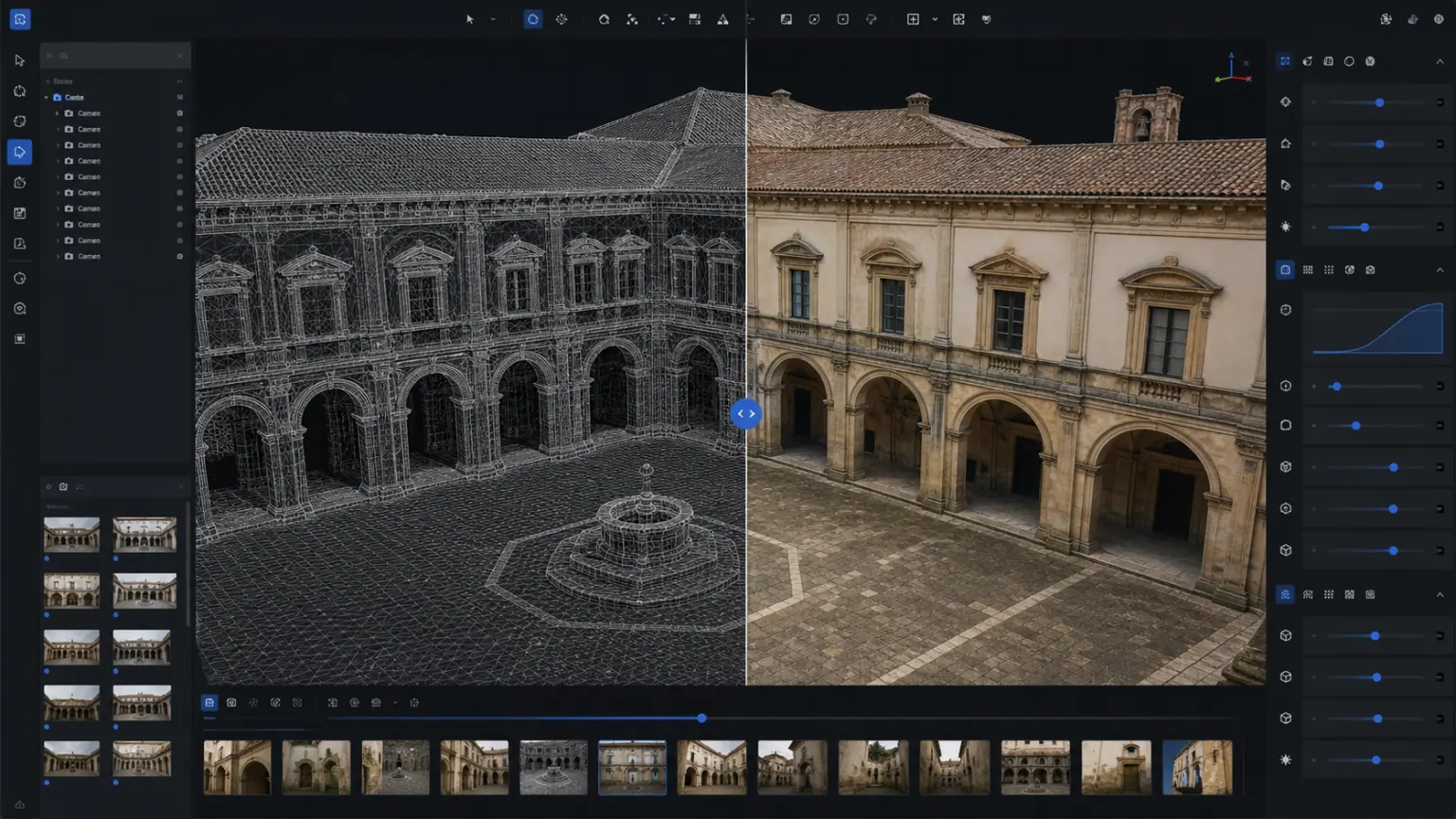
Visible light reconstruction module
Supports mobile phones, cameras, panoramic and drone images, and generates mesh models, texture models, DOM/DSM and 3D Gaussian Splatting results.
Access to photos, videos, and panoramic images
Automatically process and generate 3D results
Multi-format output, suitable for display and project delivery
WEBHOOK
Asynchronous tasks and callback modules
Suitable for batch submission of tasks in enterprise systems. Supports queuing, status query, failure retry, result notification and business system writeback.
Real-time query of task status
Webhook callbacks are synchronized with results
Suitable for batch projects and automated production lines
LIDAR
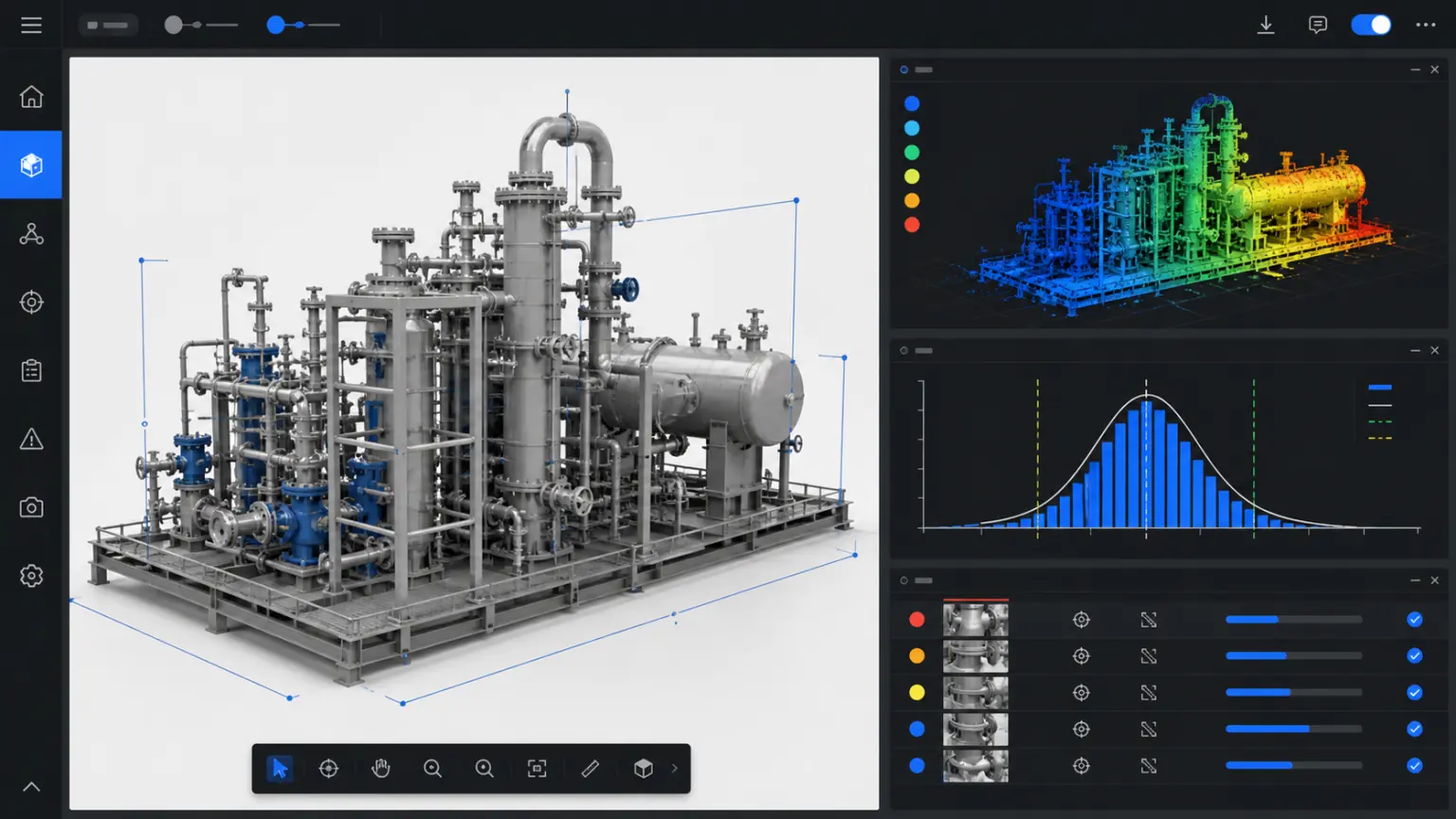
LiDAR point cloud fusion module
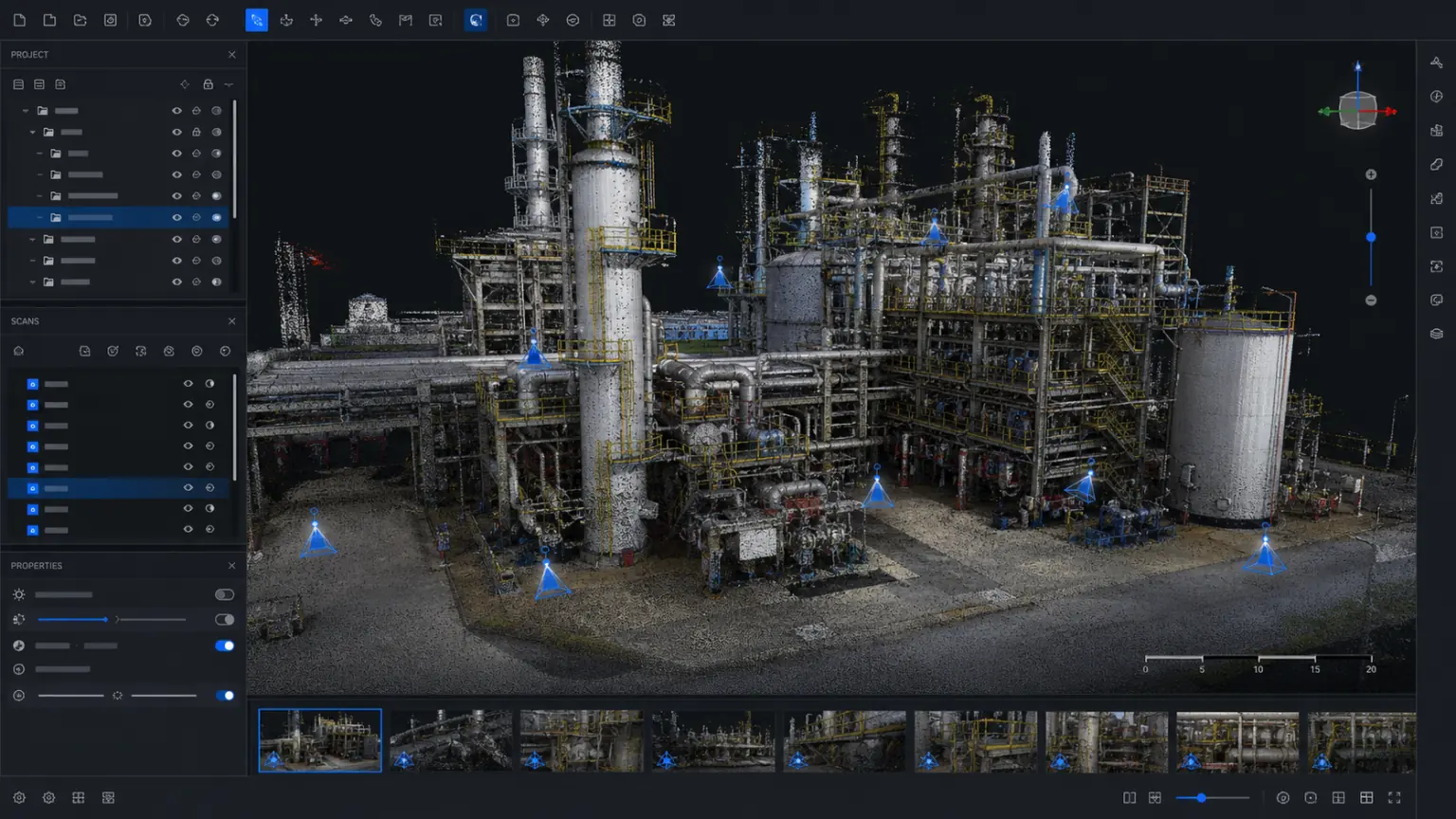
Integrate LiDAR point clouds with image data to generate high-precision spatial skeletons, texture models, point cloud results, and reviewable records.
Support common point cloud formats and photo matching
Point cloud, image and coordinate constraint collaboration
Suitable for project review, facility inspection and large-scale scene projects
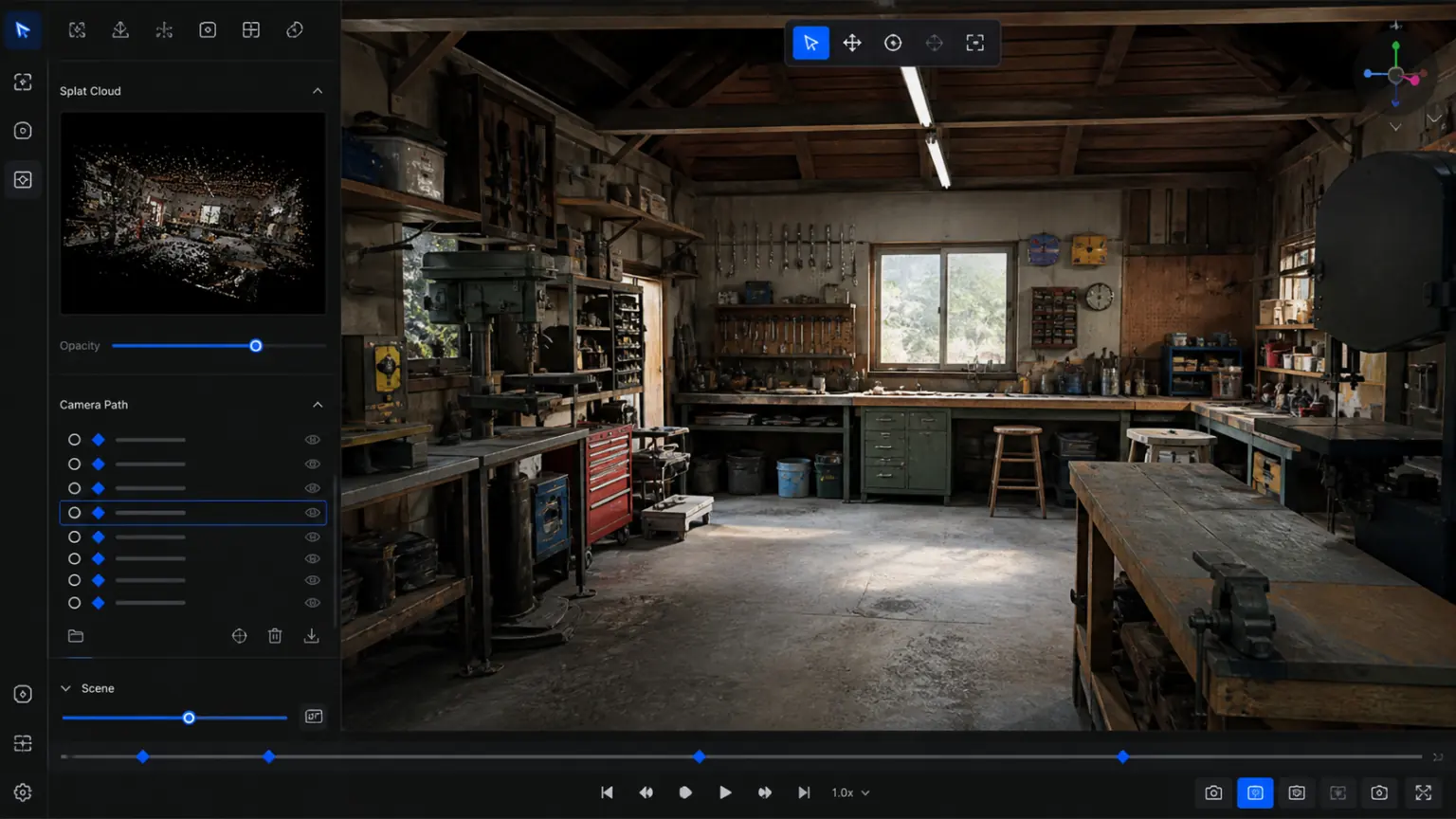
3DGS
3DGS reality-display module
Generate 3D Gaussian Splatting assets and web viewing links for product display, spatial exploration and real-world scene presentation.
Supports the presentation of real materials and complex details
Accessible into Web Viewer or business page embedding
Suitable for e-commerce, cultural tourism, real estate and digital showrooms
COMMERCE
3D product-asset module
Reconstruct product photos, videos or scanned materials into credible 3D models for MeTop.ai 3D Creative Factorys and product page display.
Reuse the same product model across multiple content projects
Supports main image, detail image, advertising image and display link
Reduce the risk of ordinary AI drawings that alter products
PRIVATE
Project customization and technical services
Customize interfaces, processing modules and project processes according to enterprise business systems, data scale and delivery specifications.
Customize interfaces according to business processes
Access according to function module combination
Engineering team assists with verification and go-live
Customized services
Customized development services
Customize interfaces, processing modules and online solutions based on the company's business system, collection equipment, data scale and delivery standards.
Confirm interface and delivery requirements
Provide docking and online support
Provide maintenance services after going online
Technical specifications
Technical specifications and access requirements
The following lists the main interfaces and access methods currently supported by the space engine. Concurrency, throughput, resource allocation and pricing need to be evaluated based on data volume and business requirements.
Access method
API/SDK/Webhook; object storage, task queues and business writeback methods can be evaluated by project.
Run interface
REST API, Webhook, CLI batch processing, enterprise authentication, task status query, result callback and asset management interface.
Support input
Common spatial data such as JPG, PNG, TIFF, MP4, MOV, AVI, panoramic images, LiDAR point clouds, LAS/LAZ/PLY, etc.
Support output
OBJ, PLY, FBX, B3DM (3D Tiles), OSGB, LAS, PNTS, GeoTIFF, DOM, DSM, 3D Gaussian Splatting PLY and online display links.
Permissions and authorization
API Key, organization permissions, project permissions, access auditing, private links, authorization by functional modules and enterprise-level security policies.
Pricing
MeTop.ai Engine access plans
Start by testing the API, then choose an enterprise integration or custom project plan based on data volume, call volume and business requirements.
Developer free version
¥0
Used for development integration testing
Suitable for developers to verify uploads, tasks, callbacks and reconstruction results.
Give away 500 development compute credits
About 5 standard interface calls
Upload, task and result query interface
30-day development and integration testing validity period
The free quota is only used for development and integration testing. It defaults to single-task concurrency and does not commit to production SLA.
Tell us your source-data types, expected call volume and business scenario. We will recommend an API test path and review the results with real data.
Request an API trial
Tell us your source data types, expected API usage, business systems and use cases. We will provide an API evaluation workflow and 500 compute credits for testing.
Suitable for teams that need batch reconstruction, point cloud fusion, special result formats or enterprise system integration, do a technical assessment first.